About Sport Club Corinthians Paulista
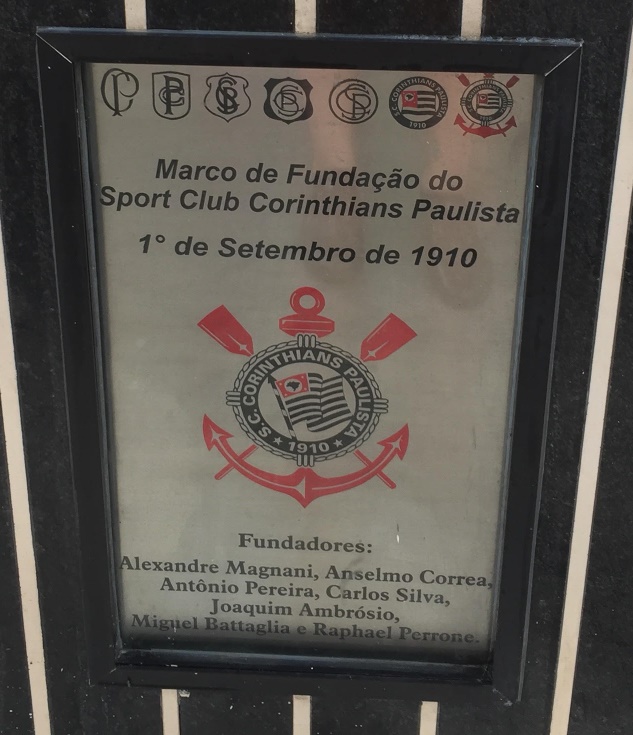
Founded on September 1st, 1910, by a group of working-class laborers under the dim light of a gas lamp in São Paulo, Sport Club Corinthians Paulista has grown from humble origins into one of the largest and most influential football clubs in the world. Deeply rooted in democracy and popular culture, the club is renowned for its historic political engagement—such as the revolutionary Corinthian Democracy movement led by Dr. Sócrates during the 1980s—and its unmatched trophy cabinet, featuring two FIFA Club World Cups, the Copa Libertadores, and multiple national championships.
1. Foundation & Early Years (1910–1920s)
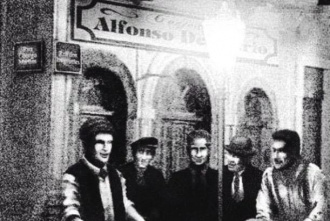
On September 1st, 1910, five working-class laborers—Joaquim Ambrósio, Antônio Pereira, Rafael Perrone, Anselmo Corrêa, and Carlos Silva—met under the dim light of a gas lamp on Rua José Paulino in São Paulo. Inspired by the visiting English club Corinthian FC, they founded Sport Club Corinthians Paulista with a revolutionary premise: to create a club accessible to the working class in a sport then dominated by the local elite. Corinthians quickly gained popularity among the city's popular masses, winning its first Paulistão title in 1914 and establishing itself as a symbol of social inclusion and popular passion.
2. The Golden Era (1930s–1950s)
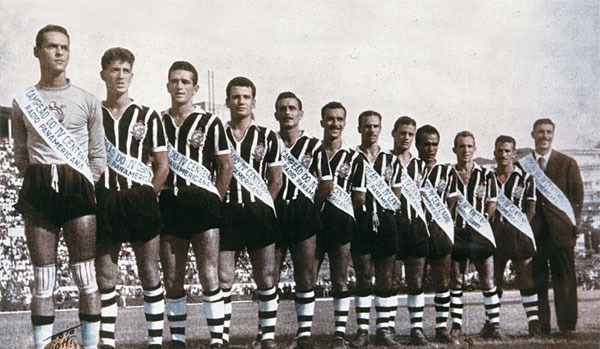
The middle of the 20th century marked a period of dominant football and aesthetic brilliance for the Alvinegro. Led by legendary figures such as Teleco—one of the club's most prolific goalscorers—Corinthians dominated the state championships in the 1930s and 1940s. The momentum reached its peak in the early 1950s with a formidable squad featuring stars like Baltazar ("O Cabecinha de Ouro"), Luizinho ("O Pequeno Polegar"), Claudio, and Roberto Belangero. During this decade, Corinthians won the prestigious 1951 Rio-São Paulo Tournament and claimed the historic 1954 IV Centenário State Championship against rival Palmeiras, solidifying its status as a Brazilian football powerhouse.
3. The Fasting Period: "O Jejum" (1954–1977)
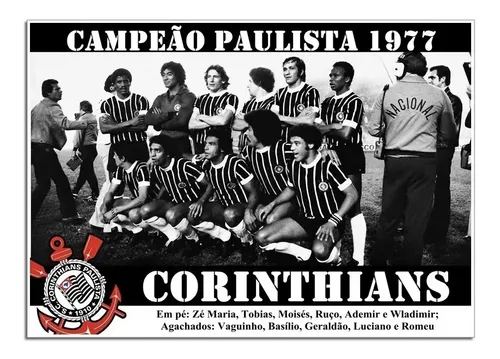
Following the triumphs of the mid-50s, Corinthians entered its most painful and legendary testing period: a 22-year, 8-month, and 6-day drought without a major official title. Despite the lack of trophies, this era proved the unconditional loyalty of the fanbase, giving birth to the legend of A Fiel (The Faithful). Rather than shrinking, the crowd grew immensely in size and devotion. The era featured iconic stars such as Rivelino and culminated on October 13, 1977, when midfielder Basílio scored the historical goal against Ponte Preta, breaking the long curse and triggering one of the greatest celebrations in football history.
4. The Corinthian Democracy (1980s)
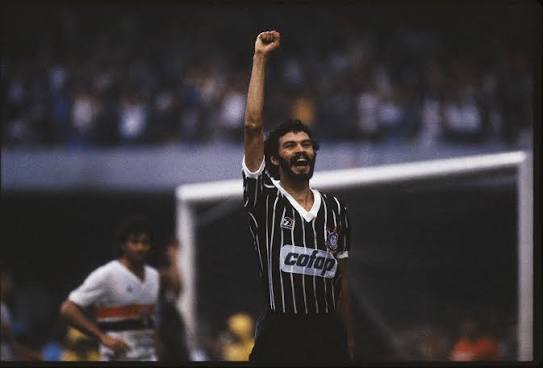
During the early 1980s, amidst Brazil's military dictatorship, Corinthians pioneered a unique ideological and ideological movement known as Democracia Corinthiana (Corinthian Democracy). Led by player-intellectuals such as Dr. Sócrates, Wladimir, Casagrande, and Édson Cegonha, the squad decided all club matters through equal votes—from meal schedules to player signings and political stances. Wearing jerseys featuring the word "Diretas Já" and messages urging citizens to vote, the team won back-to-back state championships in 1982 and 1983, proving that collective democracy could coexist with athletic excellence while challenging national political oppression.
5. International Glories and Modern Era (1990s–Present)
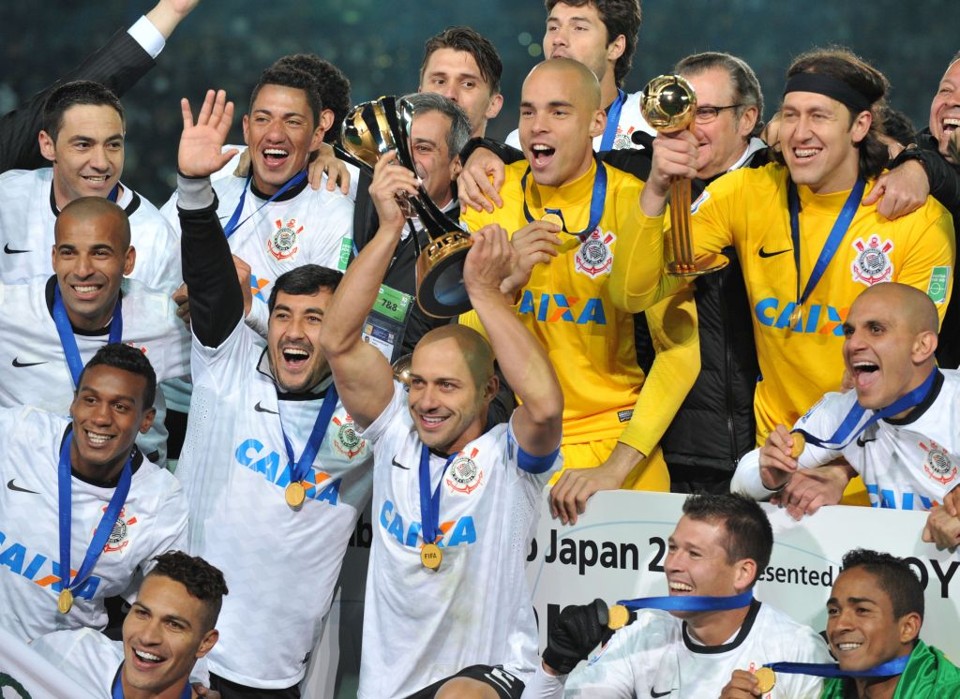
The late 20th and early 21st centuries elevated Corinthians from a national giant to a global power. After claiming its first Brazilian Championship (Brasileirão) in 1990, the club won the inaugural FIFA Club World Championship in 2000. Following a brief setback and resurgence in 2008–2009 led by Ronaldo "O Fenômeno", Corinthians embarked on its most glorious international campaign under manager Tite: winning an undefeated Copa Libertadores in 2012 against Boca Juniors, followed by the 2012 FIFA Club World Cup victory over Chelsea in Yokohama, Japan, backed by over 30,000 traveling fans in what became known as the Invasão Japonesa. Today, operating from the modern Arena Corinthians in Itaquera, the club continues its historic legacy.